 Photo: Wikimedia Commons
Frankfurt
Germany's skyscraper capital on the Main River, where glossy “Mainhattan” towers meet a historic old town and Europe's biggest book fair.
Best time to visit: Spring and early autumn are best for walking the skyline and Römerberg comfortably; visit in October for the world's biggest book fair, or late November–December for the Christmas Market.
Frankfurter Weihnachtsmarkt (Christmas Market)
Frankfurt's Christmas Market fills Römerberg, Paulsplatz, Mainkai, Friedrich-Stoltze-Platz, Hauptwache and Roßmarkt with 230+ decorated stalls — mulled wine (Glühwein), roasted almonds, and a big lit tree on Römerberg. Best experienced early evening once the stalls are lit up. Sundays open an hour later (11:00) than the rest of the week.
All the sights in Frankfurt
History & Old Town
-
Goethe-Haus & Museum High priority
Goethe's birthplace, restored 18th-century rooms. Closed Mondays.
 Photo: Wikimedia Commons
The birthplace and childhood home of Johann Wolfgang von Goethe, meticulously reconstructed after WWII bombing to recreate the patrician household where he wrote Werther and early drafts of Faust. Period furniture, art, and a well-stocked library bring 18th-century Frankfurt life to view for literature fans.
-
Römerberg & the Römer (City Hall) High priority
Frankfurt's postcard square — half-timbered houses, medieval city hall.
 Photo: Wikimedia Commons
Frankfurt's postcard-perfect medieval square, framed by the stepped-gable Römer city hall and a row of reconstructed half-timbered houses. It's the free, always-open heart of the Altstadt, alive with cafes and markets and especially magical when lit up for the Christmas market.
-
Alte Nikolaikirche Nice to have
Small red-sandstone church right on Römerberg — a 10-minute look.
 Photo: Wikimedia Commons
A modest Gothic church tucked into the corner of the Römerberg, easy to overlook amid the grander landmarks around it but worth a peek for its distinctive saddle roof and glockenspiel, which chimes several times a day. The plain, quiet interior is a calm break from the busy square outside.
-
Kaiserdom St. Bartholomäus (Frankfurt Cathedral) High priority
Coronation church of Holy Roman Emperors.
 Photo: Wikimedia Commons
Frankfurt's red-sandstone Gothic cathedral served as the site of Holy Roman Emperor elections and coronations for centuries. The nave is free to explore, while climbing the roughly 328 steps of the 66-meter tower rewards visitors with sweeping views over the Altstadt and skyline. Budget 30-45 minutes for the cathedral itself, plus another 30-45 minutes if you're climbing the tower.
-
Paulskirche High priority
Birthplace of German parliamentary democracy (1848). Quick, free stop.
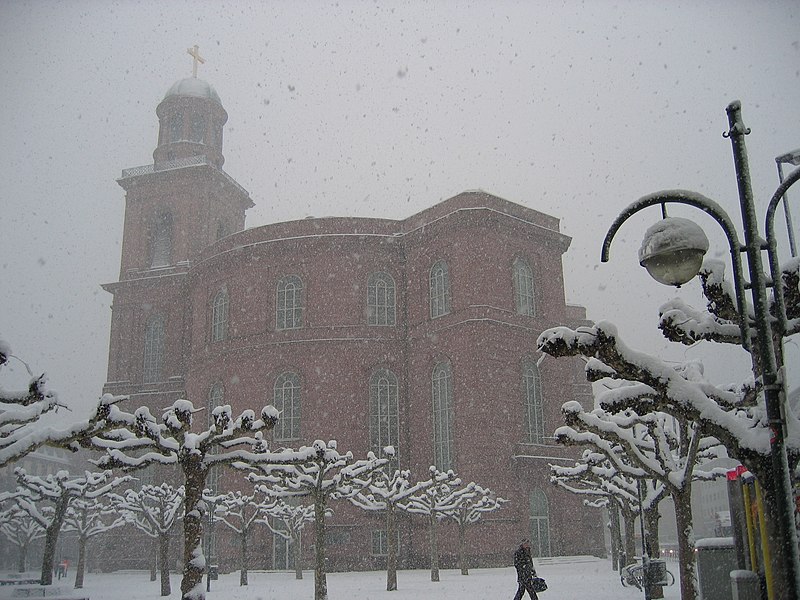 Photo: Wikimedia Commons
This circular 18th-century church became the seat of Germany's first freely elected national parliament in 1848-49, making it an enduring symbol of German democracy. It's no longer used for regular worship, serving mainly for civic ceremonies and small exhibitions around a simply furnished interior.
-
Eiserner Steg (Iron Bridge) High priority
Pedestrian bridge linking the Altstadt to Sachsenhausen — best skyline photo spot.
 Photo: Wikimedia Commons
This slender 19th-century iron pedestrian bridge links the Altstadt to Sachsenhausen across the Main and offers one of the best skyline views in the city, especially around sunset. Thousands of padlocks left by couples cover its railings, adding a bit of romantic clutter to the ironwork.
-
Kleinmarkthalle High priority
Iconic food hall — browse the stalls. Closed Sundays.
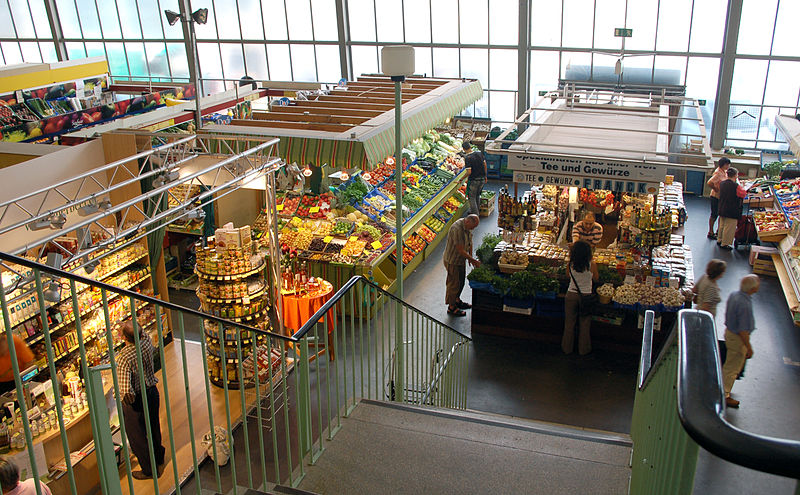 Photo: Wikimedia Commons
Frankfurt's beloved indoor market hall packs around 60 stalls selling fresh produce, meat, cheese, spices and ready-to-eat food from around the world under one roof. Locals and visitors alike graze their way through it, and the upper gallery has seating for a quick snack or a glass of Ebbelwoi.
Museums
-
Dommuseum Frankfurt Bonus
Small cathedral treasury museum right next to the Kaiserdom — an easy add-on if you're already there.
 Photo: Wikimedia Commons
A compact treasury museum beside the cathedral displaying imperial coronation vestments, gilded reliquaries, and archaeological finds tied to the site's Carolingian origins. It's small enough to see in 30-45 minutes and pairs naturally with a Kaiserdom visit.
-
Historisches Museum Frankfurt High priority
Modern building, city history.
 Photo: Wikimedia Commons
Frankfurt's city-history museum traces the town from medieval archaeology to a large scale model of the postwar-reconstructed Altstadt, spread across the historic Saalhof complex on the riverfront. A good stop for understanding how the city looked before the 1944 bombing raids.
-
Schirn Kunsthalle Nice to have
Rotating major art exhibitions right on Römerberg.
 Photo: Wikimedia Commons
Frankfurt's leading venue for major temporary art shows, the Schirn has hosted blockbuster retrospectives of Kandinsky, Frida Kahlo, and Yayoi Kusama since opening in 1986. Its curved facade sits right between the Römer and the cathedral, making it an easy add-on to an old-town stroll.
-
Frankfurter Kunstverein Bonus
Contemporary art exhibitions in the historic Steinernes Haus, right on Römerberg.
 Photo: Wikimedia Commons
Housed in the medieval Steinernes Haus right on the Römerberg, the Frankfurter Kunstverein is one of Germany's oldest art associations, showing experimental contemporary art since 1829. Expect smaller, changing exhibitions rather than a permanent collection, geared toward visitors already into contemporary art.
-
Fotografie Forum Frankfurt Bonus
Small photography exhibition space in the Altstadt.
A dedicated photography exhibition space on Braubachstrasse near the cathedral, mounting rotating shows of historic and contemporary photographers since 1984. It's compact enough to see in under an hour, making it an easy pairing with the nearby Römerberg sights.
-
Caricatura Museum Bonus
Museum for comic, satirical and caricature art — a lighter, fun stop.
 Photo: Wikimedia Commons
Germany's only museum dedicated to caricature, comic art, and satire, set inside the historic Leinwandhaus near the cathedral. Its witty, irreverent exhibitions from famous German cartoonists make it a lighter, funnier break from the city's more serious museums.
-
Archäologisches Museum Frankfurt Bonus
Regional archaeology in a former Carmelite monastery.
 Photo: Wikimedia Commons
Housed in a former Carmelite monastery in Frankfurt's Altstadt, this museum traces the region's story from the Stone Age through the Roman era and into the early Middle Ages. Highlights include finds from the Roman settlement of Nida-Heddernheim and the remains of a Carolingian royal palace uncovered beneath the building itself. It's a quieter, more scholarly counterpoint to Frankfurt's bigger-name museums.
-
Deutsches Romantik-Museum Nice to have
Newer flagship museum (opened 2021) on German Romanticism, right next to Goethe-Haus.
 Photo: Wikimedia Commons
Opened in 2021 right next to Goethe's birth house, this museum is dedicated to German Romanticism, displaying manuscripts, paintings and personal artifacts from figures like the Brothers Grimm, Novalis and Clemens Brentano. Immersive, atmospheric room design makes the movement's preoccupations with nature, imagination and emotion feel vivid rather than academic.
-
Jüdisches Museum Frankfurt High priority
Frankfurt's Jewish history and culture — an important, well-reviewed museum.
Frankfurt's Jewish Museum occupies the historic Rothschild Palais on the banks of the Main and tells the story of Jewish life in the city from the Middle Ages to today. Exhibits mix personal objects, documents and multimedia to cover everyday culture as well as persecution and resilience through the centuries. It pairs naturally with a visit to the affiliated Museum Judengasse a short walk away.
-
Museum Judengasse Nice to have
Excavated foundations of the medieval Jewish quarter — a separate site from the main Jewish Museum.
Built around the excavated foundations of Frankfurt's medieval Jewish quarter, this museum lets visitors walk among the actual remains of houses that once lined the Judengasse. Displays focus on daily life in the historic ghetto, and the adjoining Neuer Börneplatz memorial commemorates victims of the Holocaust.
-
MMK — Museum für Moderne Kunst Bonus
Contemporary art, distinctive triangular building.
Housed in a distinctive triangular building nicknamed the 'slice of cake' by locals, MMK focuses on international contemporary art from the 1960s onward, including major works by Andy Warhol and Joseph Beuys. The main building has been undergoing a multi-year renovation, so exhibitions may currently be split across satellite venues — worth checking the website before visiting.
-
Struwwelpeter-Museum Bonus
Frankfurt's own 19th-century children's book — small and fun.
 Photo: Wikimedia Commons
This small, quirky museum is devoted to Heinrich Hoffmann's 1845 illustrated children's book 'Der Struwwelpeter,' whose cautionary tales and vivid characters remain part of German cultural memory. Original manuscripts, illustrations and memorabilia trace the book's history and its surprisingly dark, satirical undertones.
-
Städel Museum High priority
Frankfurt's flagship art museum, 700 years of European art.
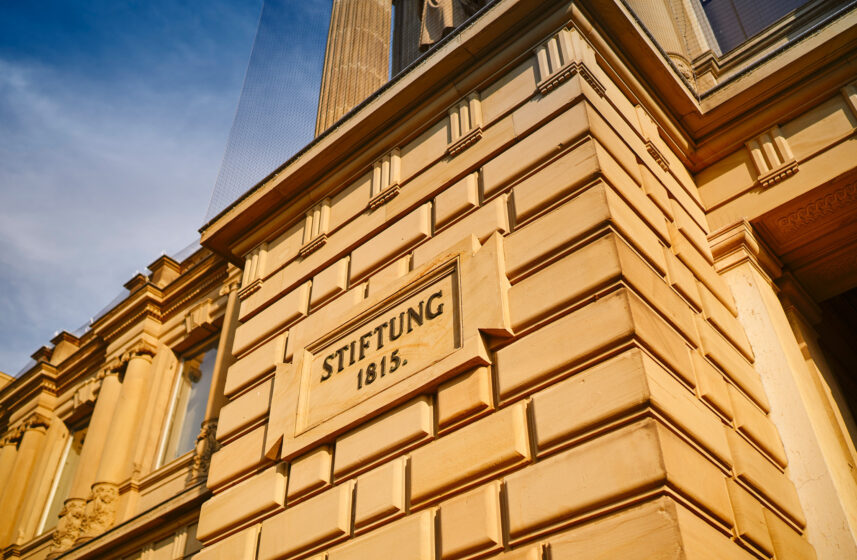 Photo: Städel Museum, Wikimedia Commons
One of Germany's great art museums, the Städel traces European painting from the 14th century to today, with standout works by van Eyck, Botticelli, Vermeer and Rembrandt alongside a strong modern and contemporary wing. Its striking underground extension, lit by round skylights beneath a garden lawn, is worth seeing in its own right.
-
DFF — Film Museum High priority
More dynamic and hands-on than most museums here.
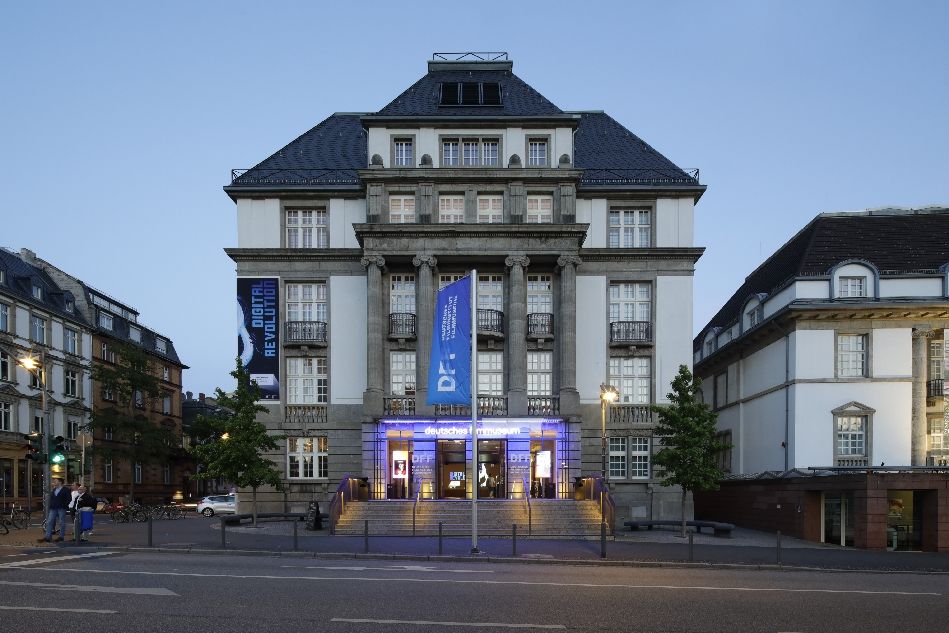 Photo: Museumsufer Frankfurt, Wikimedia Commons
This hands-on film museum walks visitors through the history and technology of cinema, from early optical toys and vintage cameras to green-screen and animation stations where you can try filmmaking yourself. It's compact and family-friendly, and pairs nicely with a screening downstairs at the museum's own arthouse cinema.
-
Liebieghaus Bonus
Sculpture museum next to the Städel — small and calm.
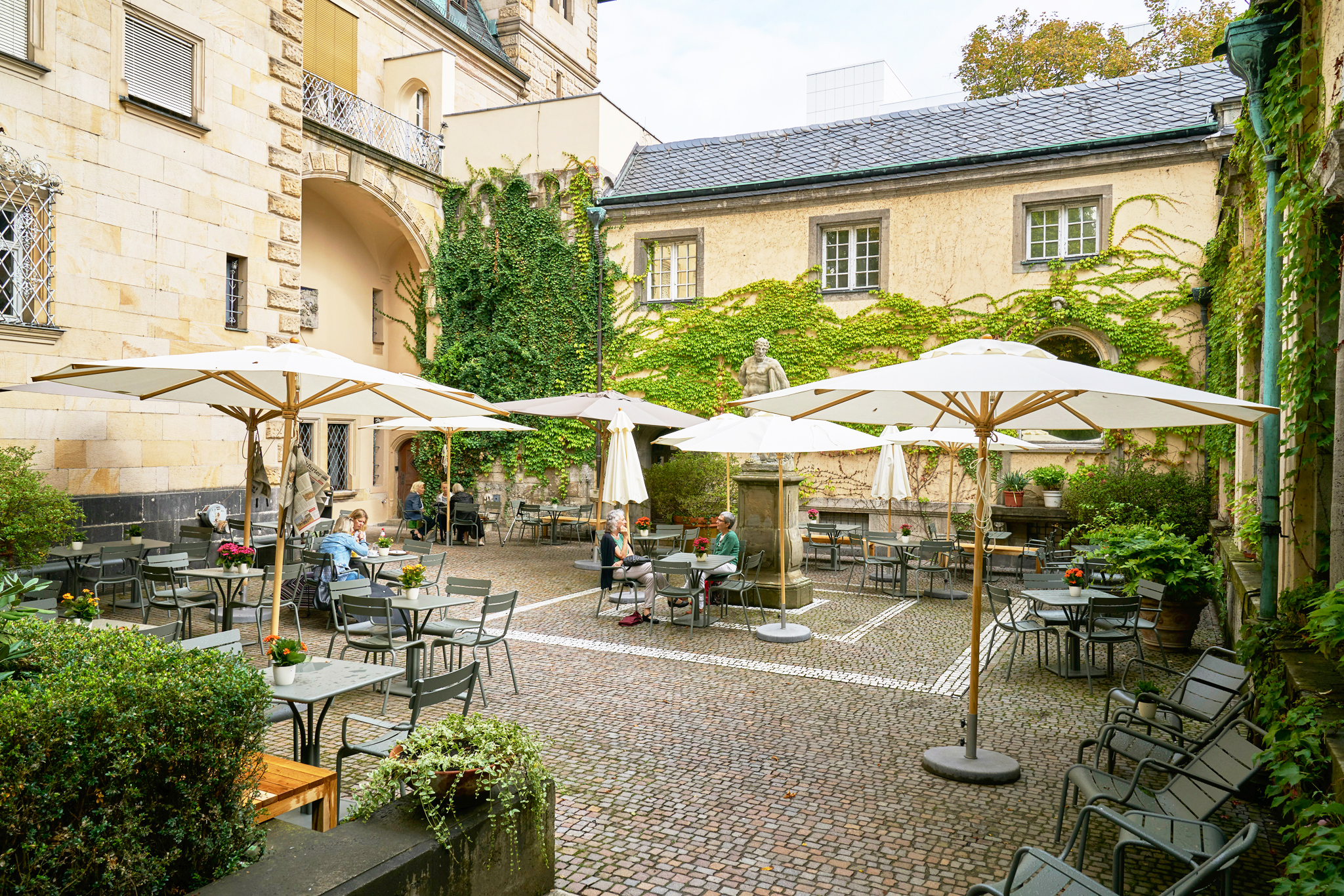 Photo: Liebieghaus, Wikimedia Commons
Set in an elegant 19th-century villa with a garden overlooking the Main, this sculpture collection spans five thousand years, from ancient Egypt and classical Greece through medieval, Renaissance and Baroque works. The intimate, rarely crowded galleries and the villa's own architecture make it one of the most atmospheric museums on the riverbank.
-
Museum Angewandte Kunst Nice to have
Applied arts and design, on the Sachsenhausen riverbank near the Städel.
 Photo: Museum Angewandte Kunst, Wikimedia Commons
A design and applied arts museum in a light-filled Richard Meier building, spanning European furniture, Asian ceramics, Islamic art, fashion and graphic design alongside changing contemporary-design shows. The mix of historical craftsmanship and current design exhibitions means there's usually something new even on a repeat visit.
-
Deutsches Architekturmuseum (DAM) Nice to have
Architecture museum — fitting given Frankfurt's own skyline.
 Photo: DAM, Wikimedia Commons
The German Architecture Museum explores building design and urban planning through models, drawings and immersive exhibitions on issues like sustainable housing and city growth. The building itself is part of the appeal: a historic villa with a striking 'house within a house' installed inside its atrium.
-
Museum für Kommunikation Bonus
Postal/communication history with a lot of interactive elements — good with kids.
 Photo: Museum für Kommunikation Frankfurt, Wikimedia Commons
This museum traces the story of human communication, from cuneiform tablets and stagecoach mail through telegraphy and historic telephones to social media and AI, with plenty of interactive stations along the way. It's one of the more playful stops on the Museumsufer, with a large hands-on postal-history collection that works well for families.
-
Weltkulturen Museum Bonus
Ethnology and world cultures collection.
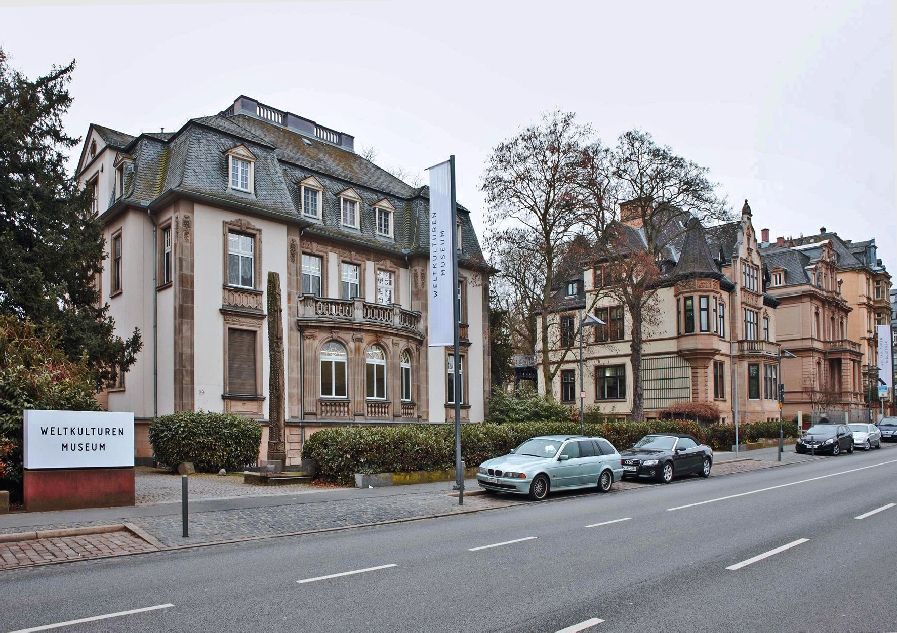 Photo: Museumsufer Frankfurt, Wikimedia Commons
Spread across several riverside villas, this ethnological museum shows art and everyday objects from Africa, Asia, Oceania and the Americas through changing, often thought-provoking exhibitions rather than one fixed permanent display. It's smaller and quieter than its neighbors, appealing especially to visitors curious about world cultures and anthropology.
-
Museum Giersch der Goethe-Universität Bonus
Regional Rhein-Main art, further west along the embankment.
 Photo: Museum Giersch, Wikimedia Commons
Run by Goethe University in a 1910 villa, this museum focuses on the art and cultural history of the Rhine-Main region, with changing exhibitions on regional painters, illustrators and local history. It's a low-key, scholarly stop that appeals most to visitors curious about Frankfurt's own artistic heritage.
-
Ikonenmuseum Frankfurt Bonus
A real change of pace — Russian and Orthodox icon collection in the Deutschordenshaus.
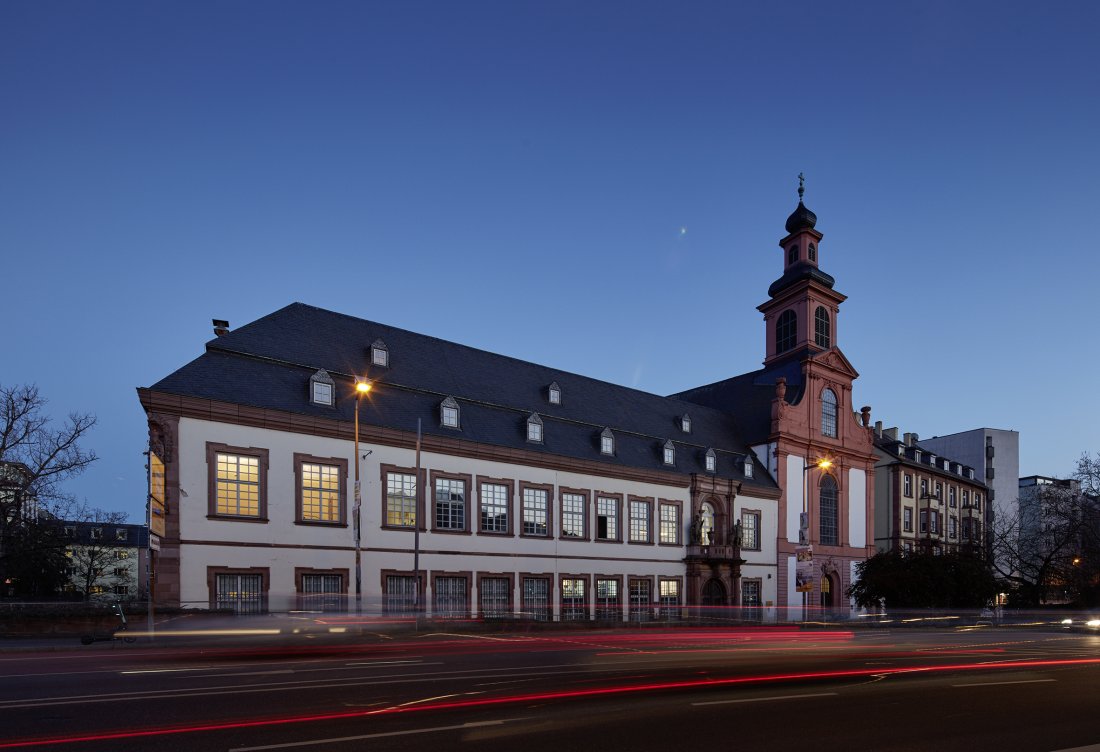 Photo: Museum Angewandte Kunst, Wikimedia Commons
A small, focused collection of Russian, Greek and Ethiopian Orthodox icons, many displayed without glass at eye level so visitors can appreciate the craftsmanship up close. Housed within the Museum Angewandte Kunst building, it's compact enough to see thoroughly in under an hour.
-
Bibelhaus Erlebnismuseum Bonus
Interactive Bible-history museum — hands-on, works well for families.
This interactive 'experience museum' walks visitors through the archaeology and history of the Bible using reconstructed scenes, genuine ancient artifacts from Israel, and hands-on displays covering both the Old and New Testaments. It's designed with families and school groups in mind but is genuinely interesting for anyone curious about biblical history and archaeology.
-
Senckenberg Naturmuseum High priority
Dinosaurs and natural history, ~10 min walk from Palmengarten.
Germany's second-largest natural history museum, the Senckenberg Naturmuseum is known for its dramatic dinosaur hall, including a mounted Diplodocus and exceptionally preserved fossils, alongside exhibits on evolution, geology and wildlife from around the world. It's an easy indoor activity for a rainy day near the university campus.
Family & Play
-
Waldspielpark Louisa Bonus
Free forest playground built around a giant wooden ship.
This free woodland play park in the Frankfurt Stadtwald centers on a giant wooden pirate ship kids can climb and explore, plus a water-spray area for hot days. Designed mainly for children under 12, it has buggy-friendly paths, a kiosk and toilets on site.
-
Kletterwald im Deutsche Bank Park Bonus
Treetop rope-climbing park with a course just for young kids.
Set in the woods beside Eintracht Frankfurt's stadium, this climbing forest has 13 courses ranging from a gentle kids' parcours (from age 4) to a 30-meter 'skyline' course for confident climbers. Trained staff fit harnesses and give a safety briefing before you head into the treetops.
-
Experiminta ScienceCenter High priority
Hands-on science museum with 200+ experiment stations.
EXPERIMINTA is Frankfurt's interactive science center, packed with over 200 touch-and-try stations on physics, optics, and perception across four floors. Kids and adults crank, pedal, and tinker through hands-on experiments, plus rotating special exhibitions and a small planetarium.
Green & Nature
-
Palmengarten High priority
Greenhouses + butterfly house are the highlight. The separate Botanical Garden next door is closed in winter.
 Photo: Wikimedia Commons
One of Frankfurt's two botanical gardens, the Palmengarten spans 22 hectares of themed gardens, tropical greenhouses and a butterfly house just west of downtown. Founded in 1871, it's a relaxed half-day outing with seasonal flower shows, a lake, playgrounds and a rose garden.
-
Grüneburgpark Bonus
Large park next to the university — a slow-morning option.
Grüneburgpark is a large, leafy public park in Frankfurt's Westend, laid out in the English landscape style on former Rothschild family estate grounds. With open meadows, mature trees, a rose garden and plenty of space for jogging or picnicking, it's a favorite escape for locals.
-
Frankfurt Zoo High priority
Big, well-maintained, fully pram-accessible.
Frankfurt Zoo, dating back to 1858, is one of Germany's oldest city zoos and sits right on the edge of downtown near the Ostend district. It houses hundreds of species — from gorillas and Sumatran tigers to Humboldt penguins — across leafy grounds plus indoor halls like the Grzimek House and Exotarium.
-
Günthersburgpark Nice to have
Local Nordend green space — a genuine rest break, not a tourist spot.
A leafy 7.4-hectare neighborhood park in Frankfurt's Nordend district, Günthersburgpark mixes sweeping lawns and mature trees with playgrounds, a water-play area, and a popular park café. It's a favorite local spot for picnicking, jogging, or just relaxing.
-
Goetheturm (Goethe Tower) Bonus
A 43-meter wooden observation tower deep in the Sachsenhausen forest, rebuilt in 2020 after arsonists destroyed its predecessor in 2017 — 196 spiral steps up to a platform with views stretching to the Taunus hills.
 Photo: Wikimedia Commons
The first Goetheturm rose here in 1867, standing 22 meters tall; a taller, roughly 43-meter successor replaced it in 1931 and became a beloved neighborhood landmark for generations of Frankfurters — until arsonists burned it to the ground in 2017. The city rebuilt it faithfully in wood on the same square-plan footprint, reopening in 2020 with a clockwise spiral staircase of 196 steps leading up to an observation platform with genuinely expansive views: the Frankfurt skyline to the north, the Taunus hills beyond it, the Spessart to the east, and the Odenwald to the south. The surrounding three-hectare forest play park adds a maze and a garden restaurant, and a live webcam streams the view for anyone who can't make the climb — a quiet, mostly local-crowd counterpoint to the high-rise Maintower view in the city center.
-
Garten des Himmlischen Friedens (Garden of Heavenly Peace) Bonus
A genuine Chinese garden built 1985-89 inside Bethmannpark by specialists brought over from China, renamed within weeks of opening in remembrance of the Tiananmen Square massacre of June 1989.
 Photo: Wikimedia Commons
Built between 1985 and 1989 inside Bethmannpark after an earlier plan to relocate a Chinese garden from Munich's 1983 garden exhibition fell through, this walled garden was laid out by 16 specialists brought over from China, with building materials and plants shipped in via 27 containers, modeled on the water-entrance "shuikou" garden style of Huizhou and residential architecture from Anhui Province. It opened on October 7, 1989 simply as a spring flower garden — but within weeks was renamed the Garden of Heavenly Peace in remembrance of the Tiananmen Square massacre of June 4, 1989, giving this tranquil, thick-walled retreat an unexpectedly weighty layer of meaning beneath its water-lily pond, zigzagging Jade Belt Bridge, curved-roof pavilions, and dragon-guarded stepped portal. It's a genuinely different, sound-muffled world just steps from Nordend's streets.
Skyline & Modern
-
Bockenheimer Warte Bonus
Old city gate tower; Saturday flea market on the square.
Bockenheimer Warte is a stone watchtower dating to the 15th century, once part of Frankfurt's outer city fortifications and now standing amid a lively square of cafes, bars and a busy U-Bahn/S-Bahn interchange. There's no interior to visit, but it makes a quick, free photo stop and a handy landmark near the university and Palmengarten.
-
Alte Oper High priority
Grand reconstructed opera house — photo stop even without a ticket.
The Alte Oper is Frankfurt's grand 19th-century opera house, meticulously reconstructed after WWII bombing and reopened in 1981 as a concert hall rather than an opera venue. Its ornate neo-Renaissance facade and fountain-lined plaza make it one of the city's most photogenic spots, even without attending a show.
-
Main Tower High priority
The one skyscraper with public access, via lift.
At 200 meters, Main Tower is one of the few Frankfurt skyscrapers with a public observation deck, offering 360-degree views over the city's compact skyline, the Main river and, on clear days, the Taunus hills beyond. There's a restaurant and bar at the top for those who want to linger, making it a good pick for sunset.
-
Hauptwache & Katharinenkirche High priority
Central square and transit hub, historic baroque guardhouse.
The Hauptwache is a beautifully restored Baroque guardhouse from 1730 that lends its name to Frankfurt's busiest square and transit hub, now housing a café inside. Right beside it stands the Katharinenkirche, the city's largest Protestant church, worth a quick look inside for its bright, simple interior.
-
Zeil & MyZeil Nice to have
Main shopping street; MyZeil's glass helix entrance is worth a look.
The Zeil is one of Germany's busiest pedestrian shopping streets, lined with department stores, high-street brands and cafes stretching from Hauptwache to Konstablerwache. Its architectural highlight is MyZeil, a shopping mall with a striking, funnel-shaped glass atrium designed by Massimiliano Fuksas.
-
Eurotower (old ECB building) Nice to have
Photo stop on the way toward the river.
The Eurotower is a 1970s high-rise on Willy-Brandt-Platz in central Frankfurt that served as the European Central Bank's headquarters from 1998 until the ECB relocated to its new Ostend building in 2014. The tower itself is not open to the public, so most visitors simply view it from outside.
-
European Central Bank (new HQ, Ostend) Bonus
Twin-tower ECB headquarters — striking at night.
The European Central Bank's twin-tower glass headquarters rises above the historic Grossmarkthalle in Frankfurt's Ostend district, and it's become one of the city's most photographed pieces of modern architecture. There's no walk-in public access — building tours require an official group booking well in advance.
Answer a few quick questions and we'll build a full day-by-day itinerary around what you want to see.
Plan my trip